Creative Portfolio Website Examples for Startups in 2026
Creative Portfolio Website Examples for Startups in 2026
A creative portfolio website is a digital showcase that combines visual design, project narratives, and measurable business outcomes to present a startup’s capabilities and brand identity. For startups, this isn’t just a nice-to-have. It’s your first impression, your sales pitch, and your proof of concept all rolled into one URL. The best creative portfolio website examples for startups go way beyond pretty screenshots. They tell a story, show the process, and prove results. This article breaks down what makes a startup portfolio actually work, lists standout examples to inspire your own, and gives you the criteria to build one that wins clients.
What makes the most effective creative portfolio websites for startups?
The most effective startup portfolios treat their website as a lead-generation tool, not a gallery wall. Portfolios with 3–5 detailed case studies optimally balance range and depth to engage clients. That number is the sweet spot because it gives visitors enough to evaluate your range without overwhelming them.
Here’s what separates a portfolio that converts from one that just looks good:
- Process over polish. Recruiters and clients prioritize portfolios that explain the decision-making process rather than just showing the final visual output. Show your thinking, not just your Figma files.
- Above-the-fold clarity. Effective startup websites state their value proposition clearly before the visitor scrolls. If someone has to hunt for what you do, you’ve already lost them.
- Measurable outcomes. Vague claims like “improved the UX” don’t cut it. Specific metrics like user retention rates or revenue growth tell a real story.
- Balance between vision and client needs. HubSpot marketing experts highlight that balancing personal creative vision with professional client briefs is the key to attracting startup clients in 2026.
Pro Tip: Write your case study titles as outcomes, not project names. “Reduced onboarding drop-off by 40%” beats “Mobile App Redesign” every single time.
7 standout startup portfolio design examples worth studying
1. The outcome-first single-page portfolio
Some of the most effective startup portfolios live on a single, scrollable page that leads with results. Think of it like a landing page that also happens to be your entire portfolio. The hero section states who you are and what you deliver. The case studies follow immediately, each structured as: problem, process, outcome. No fluff, no filler.

What makes this format work is speed. A visitor can scan the whole thing in under two minutes and know exactly whether you’re the right fit. Modern portfolio platforms enable setup within 90 seconds to 2 minutes and support AI-driven content generation and lead-to-contract workflows. That means you can get this kind of portfolio live fast, which matters when you’re a startup moving at startup speed.
2. The process-heavy UX portfolio
This format is built for design-focused startups targeting enterprise clients or product teams. Each case study reads almost like a mini case report: research methods, wireframe iterations, usability test findings, and final metrics. It’s thorough in a way that signals professional maturity.
The risk here is going too deep and losing the reader. The fix is a strong summary card at the top of each case study. Lead with the outcome, then let the curious reader scroll into the process. Think of it as the TL;DR model applied to design work.
“Focusing solely on aesthetics is less impactful than demonstrating your process and business results in a portfolio. The story behind the design is what clients actually buy.”
This insight from UX Pilot’s 2026 analysis of top product design portfolios captures exactly why process-heavy portfolios outperform purely visual ones when the audience is sophisticated.
3. The brand-narrative portfolio
Some startups don’t just sell design services. They sell a point of view. The brand-narrative portfolio leads with a founder story or a clear creative philosophy before showing any work. It’s a bold move, and it works when the voice is strong and the work backs it up.
Coumba Win Design uses this approach effectively. The portfolio doesn’t just show completed projects. It explains the thinking behind each design decision, connecting brand choices to business outcomes like user engagement and client retention. That narrative depth is what separates a memorable portfolio from a forgettable one. You can see how bold startup website design works in practice when the story and the visuals align.
4. The metrics-forward portfolio
This format is built for startups pitching to investors or growth-stage clients who speak in numbers. Every case study features verified business impact markers front and center. Startups that demonstrate measurable outcomes build more client trust, and embedding MRR badges, user retention stats, or conversion rate improvements directly into the portfolio makes that trust visible.
The key is verification. Anyone can write “increased revenue by 200%.” Portfolios that show screenshots of analytics dashboards, client testimonials tied to specific metrics, or third-party validation carry far more weight. This format works especially well for growth design and product studios.
5. The interactive engagement portfolio
Static portfolios are losing ground to interactive ones. Dynamic, interactive portfolio features convert passive visitors into leads by simplifying client engagement. Platforms that integrate lead capture directly into the portfolio experience let a visitor go from “I like this work” to “let’s talk” without ever leaving the page.
Some portfolio sites now include structured inquiry forms that auto-populate a draft contract based on the visitor’s inputs. That’s not a gimmick. That’s a sales workflow built into a portfolio. For startups that need to close clients fast, this kind of setup is a real advantage. Check out interactive features that convert for more examples of this approach in action.
6. The niche-specialist portfolio
Generalist portfolios rarely win against specialists when a client has a specific problem. A startup that designs exclusively for fintech, or only for DTC apparel brands, signals deep expertise the moment a relevant client lands on the page. Every case study, every testimonial, every metric speaks directly to that niche.
Portfolio effectiveness increases when the startup tells a compelling story that resonates with their target clients’ specific needs. A fintech-focused portfolio that leads with “we’ve helped three payment apps reduce churn” speaks directly to the CFO evaluating your proposal. That specificity is a conversion advantage.
7. The evolving startup portfolio
The best portfolios aren’t finished. They grow with the startup. Early-stage portfolios might lead with two or three strong case studies and a clear “what we’re building” section. As the startup scales, the portfolio adds more case studies, refines its positioning, and shifts its narrative from “here’s what we’ve done” to “here’s the category we own.”
Website storytelling techniques that work at the seed stage look different from those that work at Series A. The smartest founders treat their portfolio as a living document, updating it after every major client win or product milestone.
Comparing common features across creative portfolio platforms for startups
Not all portfolio platforms are built for startup needs. Here’s a breakdown of the feature categories that matter most when you’re choosing where to build.
| Feature category | Entry-level platforms | Growth-stage platforms |
|---|---|---|
| Setup speed | Manual build, days to weeks | 90 seconds to 2 minutes with templates |
| Case study support | Basic image galleries | Structured narrative templates |
| Lead management | Contact form only | Inquiry-to-contract automation |
| AI content generation | Not available | Built-in draft generation |
| Free tier | Available for individuals | Limited; business features paid |
| Analytics | Basic page views | Visitor behavior and conversion tracking |
Some startup portfolio platforms offer free tiers for individual creators, charging businesses for advanced features. That’s a reasonable starting point if you’re pre-revenue. Once you’re actively pitching clients, the lead management and contract automation features on growth-stage platforms pay for themselves quickly.
Lead-engine portfolio designs facilitate capturing client briefs and automating draft contracts directly from website interaction. That shift from passive showcase to active sales tool is the single biggest platform evolution in 2026.
Pro Tip: Before committing to a platform, test its case study editor. If you can’t structure a case study with a problem, process, and outcome section, the platform is working against you.
When and how to tailor your portfolio to specific startup goals
Your portfolio should look different depending on who you’re trying to impress. Here’s how to adjust your approach:
- Pitching investors? Lead with market validation and business outcomes. Show that your design decisions moved metrics. Investors want to see that design is a growth lever, not a cost center.
- Attracting clients? Front-load social proof. Testimonials, client logos, and specific project results should appear before the visitor scrolls past the first screen.
- Recruiting partners or collaborators? Emphasize your process and your values. Show how you work, not just what you’ve shipped. Creative partners want to know if working with you will be productive and enjoyable.
- Entering a new market segment? Create a dedicated portfolio section or landing page for that segment. A healthcare startup doesn’t want to wade through your e-commerce case studies to find relevant work.
- Post-pivot? Update your portfolio narrative immediately. Explain the pivot directly. Clients and investors respect founders who can articulate why they changed direction and what they learned.
The portfolio that wins clients at the seed stage is not the same one that wins enterprise contracts two years later. Build with that evolution in mind from day one. Innovative website layouts for startups can help you think through how structure and navigation shift as your audience changes.
Key Takeaways
A startup portfolio that combines 3–5 detailed case studies with measurable business outcomes and active lead capture converts visitors into clients far more effectively than a purely visual showcase.
| Point | Details |
|---|---|
| Case study count matters | Limit to 3–5 detailed case studies to balance depth and range without overwhelming visitors. |
| Process beats aesthetics | Explain your decision-making process in every case study. Clients buy your thinking, not just your output. |
| Metrics build trust | Embed verified business impact markers like retention rates or revenue growth directly into case studies. |
| Platform features drive leads | Choose platforms with lead capture and contract automation to turn your portfolio into a sales tool. |
| Tailor by audience | Adjust your portfolio narrative and featured work based on whether you’re targeting investors, clients, or partners. |
What I’ve actually learned watching startup portfolios win and lose
I’ll be honest with you. I’ve seen gorgeous portfolios that couldn’t close a single client, and I’ve seen scrappy, text-heavy ones that booked out a studio for six months. The difference was never the visual design. It was always the story.
The portfolios that win are the ones where the founder clearly understood who they were talking to. Not “designers” or “startups” in the abstract, but a specific person with a specific problem who needed to be convinced in a specific way. That level of intentionality shows up in every word choice, every case study structure, every metric selected for display.
The biggest mistake I see? Founders treating their portfolio as a finished product instead of a living pitch. Your portfolio should be updated every time you close a meaningful client, every time you learn something new about what your best clients actually care about, and every time your startup’s direction shifts. A portfolio that hasn’t been touched in 18 months is telling potential clients something you probably don’t want them to hear.
The other thing I’d push back on is the obsession with platform choice. Yes, modern portfolio platforms with lead capture and automation are genuinely useful. But the platform is a vehicle. The story is the engine. Get the story right first, then pick the platform that delivers it best.
— Coumba Evelyn
How Coumba Win Design helps startups build portfolios that actually close deals
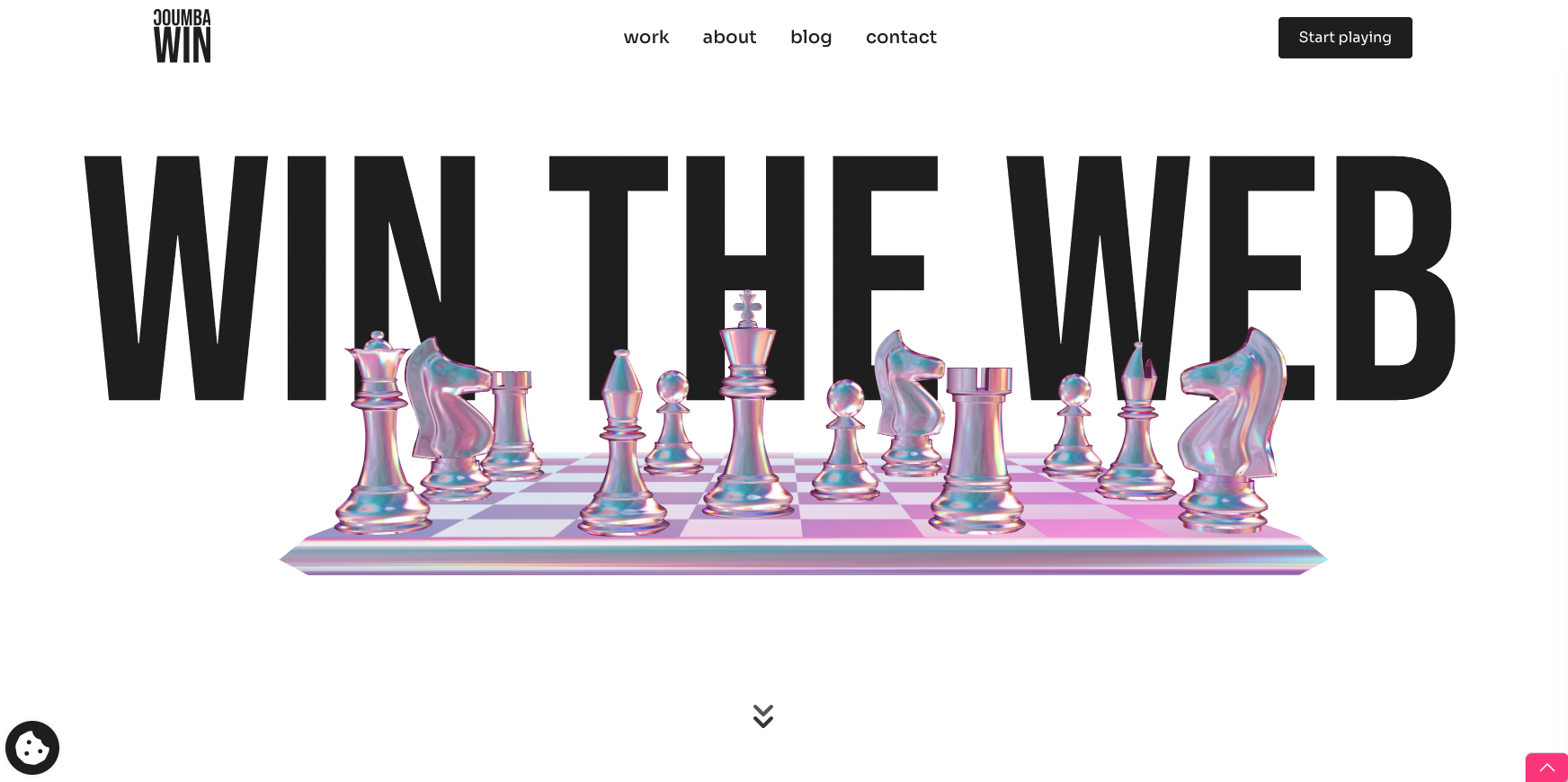
Coumba Win Design works with founders who know that design is a competitive advantage, not just a visual layer. The team builds portfolio websites that lead with your strongest case studies, embed your business outcomes front and center, and turn visitor interest into client conversations. Every project starts with understanding your specific growth challenge, whether that’s attracting investors, landing enterprise clients, or breaking into a new market. If you’re ready to build a portfolio that works as hard as you do, visit Coumba Win Design and see what outcome-focused startup design looks like in practice.
FAQ
What should a startup portfolio website include?
A startup portfolio website should include 3–5 detailed case studies that cover the problem, process, and measurable outcome of each project. Add a clear value proposition above the fold and a direct way for visitors to get in touch.
How many case studies should a startup portfolio have?
Three to five detailed case studies is the industry standard for startup portfolios in 2026. That range gives clients enough to assess your range without overwhelming them.
How do I make my portfolio website stand out as a startup?
Lead with business outcomes instead of project titles, and explain your decision-making process in every case study. Specificity and measurable results are what separate memorable portfolios from forgettable ones.
What platform should a startup use for a portfolio website?
The right platform depends on your stage. Early-stage startups can use free-tier platforms to get started. Growth-stage startups benefit from platforms that support lead capture, inquiry automation, and structured case study templates.
How often should a startup update its portfolio website?
Update your portfolio after every major client win, product milestone, or strategic pivot. A portfolio that reflects your current capabilities and direction signals to clients that you’re active, growing, and worth hiring.