Startup Website Personality Guide for Founders

Startup Website Personality Guide for Founders
A startup website personality is defined as the cohesive brand voice and visual style that makes your site feel like a real, trustworthy company rather than a template someone spun up over a weekend. Get it right, and visitors stay. Get it wrong, and they bounce before reading a single sentence. This design startup website personality guide walks you through the exact steps to define your voice, translate it into design, and embed it across every page so your site works as hard as you do. The industry term for this is “brand personality expression,” and it covers everything from your headline copy to your button colors.
How to define your startup’s brand voice and personality traits
Brand voice is the most cost-effective differentiator for early-stage startups. It costs almost nothing to write well, and it does more for your website personality than a fancy logo ever will. That is a liberating fact if you are watching your runway.
Start with a one-line positioning statement. The format is simple: “We help [audience] do [job] without [pain].” For example, “We help solo HR managers run payroll without spreadsheet chaos.” That one sentence becomes your north star for every headline, CTA, and product description on the site.
Next, pick 3 to 5 voice traits. These are adjectives that describe how your brand sounds, not what it does. Good examples include plain-spoken, confident, approachable, dry, and direct. Write them down. Pin them somewhere visible. Every person who touches your website copy should know them.
Here is where most founders skip a step that actually matters:
-
Mine your sales and support calls. Using exact customer language from real conversations improves headline clarity because it sounds like recognition, not marketing spin. If three customers call your product “the thing that finally fixed our onboarding mess,” that phrase belongs on your homepage.
-
Write a voice reference card. List your 3 to 5 traits, one example sentence for each, and one “we never say” example. This prevents drift when you bring on a copywriter or content hire.
-
Audit existing copy against your traits. Read every page out loud. If a sentence sounds like a press release, rewrite it.
-
Keep it consistent across channels. Consistent brand personality across your website, app, email, and pitch deck creates the impression of a bigger, more established company. That perception matters at pre-seed.
Pro Tip: Record your next three sales calls (with permission). Transcribe them. Highlight every phrase a customer uses to describe their problem. Those phrases are your homepage copy.
What design elements express your website personality?
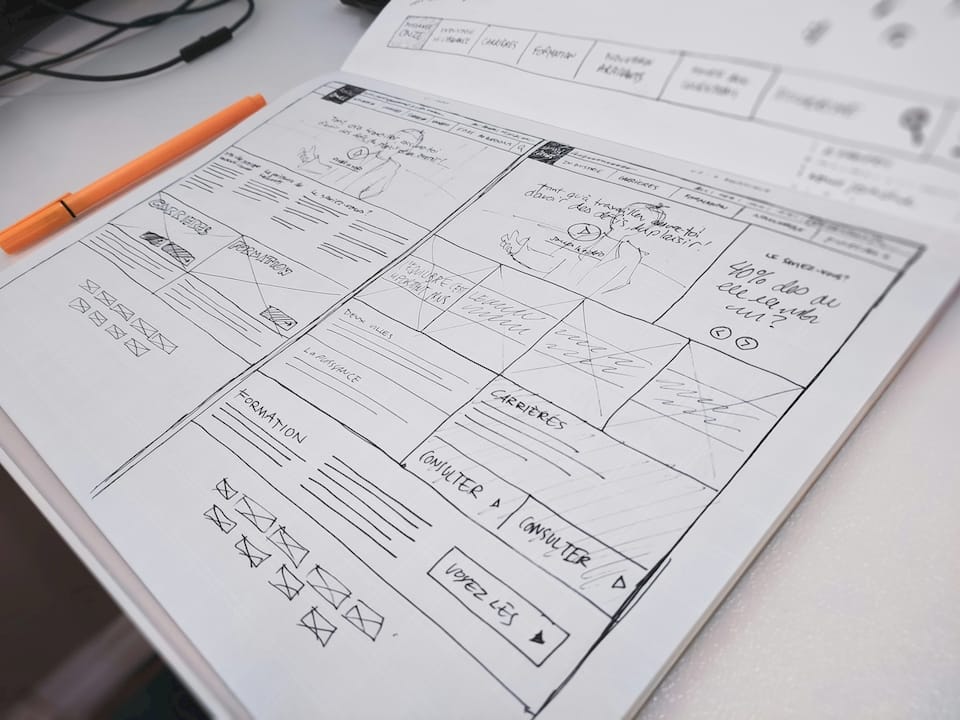
Voice gets you to the door. Design opens it. The visual choices you make on your site communicate personality before a visitor reads a single word.

Hero section: the 3-second rule
Startup website visitors decide within 3 seconds whether to stay or leave. That decision happens almost entirely in the hero section. Your hero needs three things: a specific headline that names an outcome, a sub-headline that adds context, and one clear CTA. One. Not three buttons fighting for attention.
Typography and color
Typography, color, and layout choices communicate subtle messages that shape emotional connection. A playful rounded font feels friendly. A bold serif feels authoritative. Neither is wrong. Both must match your voice traits. Color works the same way. A daring brand uses high-contrast, saturated palettes. A calm, trustworthy brand leans on muted tones and white space.
Accessibility is not optional here. WCAG AA contrast standards require a minimum contrast ratio of 4.5:1 for normal text. Personality and readability are not in conflict. You can have both.
Navigation and layout
Serving multiple audiences on one homepage dilutes your message and confuses visitors. The most effective structure for an early-stage startup site is Home, Pricing, and one CTA button (sign up or demo). That is it. Resist the urge to add an “About Our Philosophy” page before you have product-market fit.
| Design element | Personality signal | Practical rule |
|---|---|---|
| Typography | Tone and approachability | Match font style to voice traits; test at 16px minimum |
| Color palette | Energy and trust level | Limit to 2 primary colors; meet WCAG AA contrast |
| Hero section | Clarity and confidence | One headline, one sub-headline, one CTA |
| Navigation | Focus and simplicity | Home, Pricing, and one CTA button maximum |
| Imagery | Authenticity and relatability | Use real product shots or on-brand illustrations |
Pro Tip: Build your hero section components before designing any other page. If you cannot make the hero clear and compelling, no amount of polish elsewhere will save your conversion rate.
How to integrate personality into content and user interaction
Defining your voice is step one. Putting it everywhere is the actual work. Here is a repeatable process for embedding personality across your site.
-
Write your homepage headline using customer language. Pull directly from your sales call transcripts. The goal is for a visitor to read it and think, “That is exactly my problem.” Generic headlines like “The Future of Work” do not do that.
-
Apply your voice traits to every text element. Headlines, body copy, microcopy, error messages, empty states, and confirmation emails all carry your brand personality. An error message that says “Oops, something went wrong” feels human. One that says “Error 404: Request failed” feels like a server log.
-
Design CTAs that match your brand emotionally. A confident brand says “Get started.” A playful brand says “Let’s do this.” A plain-spoken brand says “Sign up free.” CTAs that align with brand personality outperform generic button text because they feel consistent with the experience the visitor just had reading your page.
-
Prototype and test early. User-testing personality-driven messaging before launch validates your assumptions and prevents costly redesigns. Show five people your homepage. Ask them to describe your brand in three words. If their words match your voice traits, you are on track. If they say “confusing” or “corporate,” you have work to do.
-
Assign one decision-maker. Designing by committee reduces conversions. Give one person (the founder or product lead) final call on copy and design decisions. This keeps personality consistent and prevents the site from becoming a Frankenstein of competing opinions.
-
Set a quarterly voice audit. Read every page once per quarter. Check that the copy still matches your voice traits. Brands drift. Catch it early.
Pro Tip: Create a shared doc with your voice traits, five example sentences, and five “we never say” examples. Share it with every contractor, copywriter, or co-founder who touches the site.
Common mistakes that kill startup website personality
Knowing what to do is half the battle. Knowing what to avoid is the other half.
-
Over-investing in branding before product-market fit. A simple wordmark and clean typography build more trust at pre-seed than an overly stylized logo. Spend your design budget on clarity, not decoration.
-
Trying to speak to everyone. A homepage that addresses developers, executives, and end users simultaneously speaks to no one. Pick your primary visitor and write directly to them.
-
Letting personality override clarity. Quirky copy is fun until it confuses people. If a visitor cannot tell what you do in 5 seconds, your personality is working against you. Startup websites perform best when personality complements clarity rather than overwhelming it.
-
Letting brand voice drift over time. New hires, new copywriters, and new campaigns all introduce new language. Without a voice reference card and regular audits, your site slowly becomes a patchwork of tones that feels inconsistent and untrustworthy.
-
Skipping the digital strategy layer. Personality without a clear conversion goal is just decoration. Every design and copy decision should connect back to one action you want visitors to take.
Key takeaways
A startup website personality succeeds when brand voice, visual design, and content all reinforce the same 3 to 5 traits, creating a consistent experience that builds trust and drives one clear conversion action.
| Point | Details |
|---|---|
| Define voice before design | Write a positioning statement and 3 to 5 voice traits before touching any visual element. |
| Hero section drives conversion | Visitors decide in 3 seconds; use one headline, one sub-headline, and one CTA. |
| Customer language beats marketing copy | Pull real phrases from sales calls to write headlines that feel like recognition. |
| Consistency builds credibility | Apply the same voice across website, email, app, and pitch deck to appear established. |
| Avoid pre-fit over-investment | A clean wordmark and clear typography outperform a complex brand identity at pre-seed. |
Why subtlety is your secret weapon at pre-seed
Here is something I do not see enough founders talk about: the best startup websites I have worked on are not the flashiest ones. They are the clearest ones.
Early on, I made the mistake of pushing bold, expressive personality for a client who had not yet validated their core offer. The site looked great. Conversion was terrible. Visitors were entertained but not convinced. That experience taught me something I now treat as a rule: personality should act as a credibility layer, not the main event.
At pre-seed, your visitors are skeptical. They are asking, “Is this real? Can I trust these people?” A site that screams personality without answering those questions loses them. A site that answers those questions with a confident, consistent voice wins them over quietly.
The founders I see get this right are the ones who treat their voice traits like product requirements. They are not decorative. They are functional. Plain-spoken means no jargon. Confident means no hedging. Approachable means no corporate speak. Those constraints make the writing better and the site more effective.
One more thing: balancing emotional connection with professional trust signals is the actual design challenge here. Personality gets people to like you. Trust signals get them to act. You need both on the same page, in the right order.
Coumba Win Design helps you build a site that actually sounds like you
Figuring out your brand voice and translating it into a website that converts is genuinely hard work. Coumba Win Design works directly with founding teams to build clear brand style guides that define voice, typography, color, and component standards in one place. No more guessing whether your new hire is writing on-brand or not.
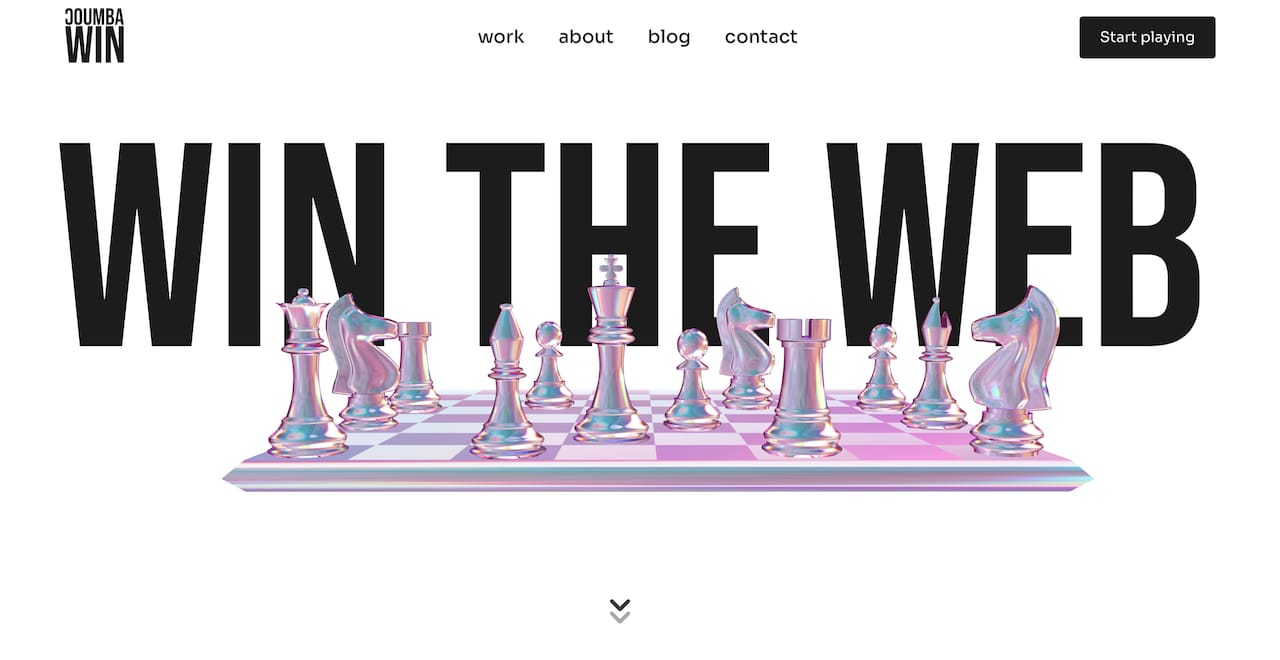
Coumba Win Design’s approach is collaborative and founder-focused, which means you stay in the driver’s seat while getting the design expertise to back it up. From voice definition to full web personality development, the work is built around your growth goals, not a generic agency template. If you are ready to stop patching your site and start building something that works, the style guide is the right place to start.
FAQ
What is a startup website personality?
A startup website personality is the combination of brand voice, visual style, and tone that makes a site feel consistent and trustworthy. It covers everything from headline copy to button color to error messages.
How do I choose voice traits for my startup site?
Pick 3 to 5 adjectives that describe how your brand sounds, such as plain-spoken, confident, or approachable. Then write one example sentence and one “we never say” example for each trait to keep your team aligned.
How does website personality affect conversion rates?
Visitors decide whether to stay or leave within 3 seconds, primarily based on hero section clarity. A consistent personality that matches your audience’s expectations builds trust and increases the likelihood they take action.
When should a startup invest in a full brand identity?
Wait until you have product-market fit before investing in a complex visual identity. A simple wordmark and clean typography build more credibility at pre-seed than an elaborate logo system.
How often should I audit my startup’s brand voice?
A quarterly review of all website copy against your voice traits catches drift before it becomes a problem. Assign one person to own the audit and update the voice reference card when language evolves.
Recommended