Build Startup Brand Identity from Scratch: A Founder's Guide

Build Startup Brand Identity from Scratch: A Founder’s Guide
A startup brand identity is the authentic expression of your company’s values, personality, and vision, translated into every name, color, word, and interaction your audience encounters. When you build startup brand identity from scratch, you are not just picking fonts and logos. You are making a strategic bet on how the world will remember you. The good news? You do not need a massive budget or a full agency retainer to get started. What you need is a clear framework, a willingness to iterate, and the guts to be genuinely different.
How to build startup brand identity from scratch with a Minimum Viable Brand
The smartest move an early-stage founder can make is to start lean. The Minimum Viable Brand (MVB) is a lean, temporary brand scaffold that gives you just enough identity to launch, test, and learn. Think of it as the brand equivalent of your MVP product. It is not meant to be perfect. It is meant to be functional and honest.
Early-stage startups should avoid pouring capital into elaborate branding before product-market fit. Founders who invest early in full-scale visual systems often need to rebrand within two years because the business pivots. That is expensive and demoralizing. The MVB approach saves you from that trap.
Your MVB needs these core elements:
-
Name: Clear, memorable, and easy to spell. It does not need to be clever. It needs to stick.
-
Wordmark logo: A simple typographic treatment of your name. No complex icons yet.
-
Color palette: Two to three colors maximum. One primary, one accent, one neutral.
-
Typography: One heading font and one body font. That is it.
-
Verbal voice: Three to five adjectives that describe how your brand sounds (direct, warm, irreverent, etc.)
The verbal voice is actually your cheapest differentiator. Writing homepage headlines like you are explaining your product to a smart friend beats generic hype every single time. “We help small teams close enterprise deals” is more memorable than “Empowering businesses through next-generation solutions.”
Pro Tip: Draft your positioning statement in one sentence: “We help [audience] do [outcome] by [method].” Pin it above your desk. Every brand decision you make should pass through that filter.
What goes into your brand foundation?
Before you touch a design tool, you need to answer four foundational questions. These answers become the north star for every visual and verbal choice you make.
-
Mission: What problem are you solving, and for whom? Your mission statement should be one or two sentences, written in plain language. Avoid corporate-speak. “We make financial planning accessible to first-generation college students” is a mission. “We democratize financial ecosystems” is not.
-
Vision: Where does the world look different because your company exists? This is your five-to-ten-year picture. It should feel slightly ambitious and a little uncomfortable to say out loud. That discomfort means it is real.
-
Core values: Pick three to five values that actually describe how your team makes decisions, not aspirational buzzwords. If “speed” is a real value, show it in your process. If “transparency” is a real value, show it in your pricing page.
-
Audience: Research your customers before you design anything. Talk to ten people in your target market. Listen to the exact words they use to describe their problem. Those words belong in your brand voice. Positioning your brand around customer language is not guesswork. It is the whole game.
-
Competitive positioning: Map out how other players in your space present themselves. Look for the gap. If every competitor uses dark blue and corporate photography, that gap is your visual opportunity.
Your brand foundation is not a one-time document. Revisit it every six months in your early stage. It will sharpen as you learn more about your customers and your market.
How do you create visual and verbal identity that actually stands out?

Here is where things get fun (and a little nerve-wracking, honestly). The goal is not to look polished. The goal is to look like you.

The best startup brands articulate what designers call a “brand tension,” which is a balance of two opposing traits that creates a distinctive personality. Successful brands define tensions like “Playful Precision” or “Warm Authority” to guide every design and copy decision. Sunday Robotics is a great example. Their identity balances engineering rigor with genuine approachability, and that tension makes them memorable in a category full of cold, technical brands.
PostHog took a similar approach. They rejected generic corporate aesthetics in favor of radical transparency and a distinctive visual personality. The result is a brand that developers actually talk about. Figma did the same thing. Both brands prove that design-led differentiation creates memorability that paid advertising cannot buy.
For your visual system, follow these principles:
-
Simplicity scales. Geometric, simple marks that work as favicons outperform complex or generic symbols. If your logo looks bad at 16x16 pixels, redesign it.
-
Color carries emotion. Do not pick colors because you like them. Pick colors because they signal the right feeling to your specific audience.
-
Typography tells a story. A geometric sans-serif says something different than a humanist serif. Choose based on your brand tension, not trends.
For your verbal identity, aligning your brand voice with the founder’s authentic personality creates a self-reinforcing experience. PostHog built their brand and company as the same entity, using the founder’s natural voice as a key channel. You can do the same thing. Write your website copy the way you talk in a sales call. That authenticity is a competitive advantage most startups leave on the table.
Pro Tip: Test your visual identity with five people outside your industry. If they cannot describe the feeling it gives them in three words, it is not communicating clearly enough.
For a deeper look at how visual storytelling shapes brand recognition, the principles apply directly to startup identity work.
How do you implement brand identity consistently as you grow?
Building a brand is one thing. Living it every day across every touchpoint is the harder part. Consistency is what turns a brand into a reputation.
-
Create a simple brand guide. Document your colors (with hex codes), fonts, logo usage rules, and voice guidelines in one place. A two-page PDF beats a 60-page brand bible that nobody reads.
-
Apply brand to your product UI. Embedding design resources early treats branding as product DNA, not a separate marketing layer. Your app’s button colors, error messages, and onboarding copy are all brand touchpoints.
-
Use your CEO persona as a brand channel. Your LinkedIn posts, conference talks, and podcast appearances are brand expressions. They should sound like your brand voice, not a different personality.
-
Track brand signals. Monitor how customers describe you in reviews, support tickets, and social mentions. When their language drifts from your intended positioning, that is a signal to recalibrate your messaging.
-
Rebrand deliberately, not reactively. Rebranding should be tied to milestone events like a pivot, a new market entry, or a funding round. Rebrand only when your current identity actively undermines your credibility or audience connection. Chasing trends is a budget drain with no ROI.
| Brand touchpoint | What to check |
|---|---|
| Website homepage | Does the headline match your positioning statement? |
| Social media profiles | Are colors, fonts, and tone consistent across platforms? |
| Product UI | Does the interface feel like the same brand as your marketing? |
| Email communications | Does the voice match your brand attributes? |
| Pitch deck | Does the visual system reflect your current brand guide? |
For a practical starting point, a well-structured brand identity website gives you a framework for expressing all of these touchpoints cohesively.
Key Takeaways
Building a startup brand identity from scratch requires a lean foundation, authentic personality, and consistent application across every touchpoint before you invest in elaborate design systems.
| Point | Details |
|---|---|
| Start with an MVB | Launch with a name, simple logo, limited color palette, and clear verbal voice before investing further. |
| Ground design in brand foundations | Define mission, values, vision, and audience before touching any design tool. |
| Use brand tension | Balance two opposing traits to create a distinctive, memorable personality. |
| Embed brand in your product | Apply your visual and verbal identity to UI, onboarding, and support copy, not just marketing. |
| Rebrand on milestones | Only rebrand when your current identity actively hurts your credibility or audience connection. |
What I actually think about startup branding (and where most founders get it wrong)
I have worked with enough early-stage founders to spot the pattern immediately. They either spend way too much on branding before they have a single paying customer, or they treat it as an afterthought until they are pitching Series A investors with a Canva logo. Both extremes cost you.
The founders who get it right treat brand as infrastructure from day one. Not a full build-out. Infrastructure. That means making deliberate, documented choices about voice and visual identity early, even if those choices are simple. It means building brand into your digital strategy rather than bolting it on later.
The thing nobody tells you is that your brand is already forming whether you manage it or not. Every email you send, every slide deck you share, every social post you publish is a brand impression. The question is whether those impressions are intentional or accidental.
I also push back hard on the idea that authenticity and strategy are in tension. They are not. The most distinctive startup brands I have seen are the ones where the founder’s real personality shows up in the work. That is not a happy accident. It is a deliberate choice to stop performing “professional” and start communicating like a human being who genuinely cares about the problem they are solving.
Iterate. Get feedback. Adjust. Your brand at month three will be better than your brand at launch. That is the whole point.
— Coumba Evelyn
Coumba Win Design helps startups build brands that grow with them
Founders who want to move fast without sacrificing quality have a real option here.
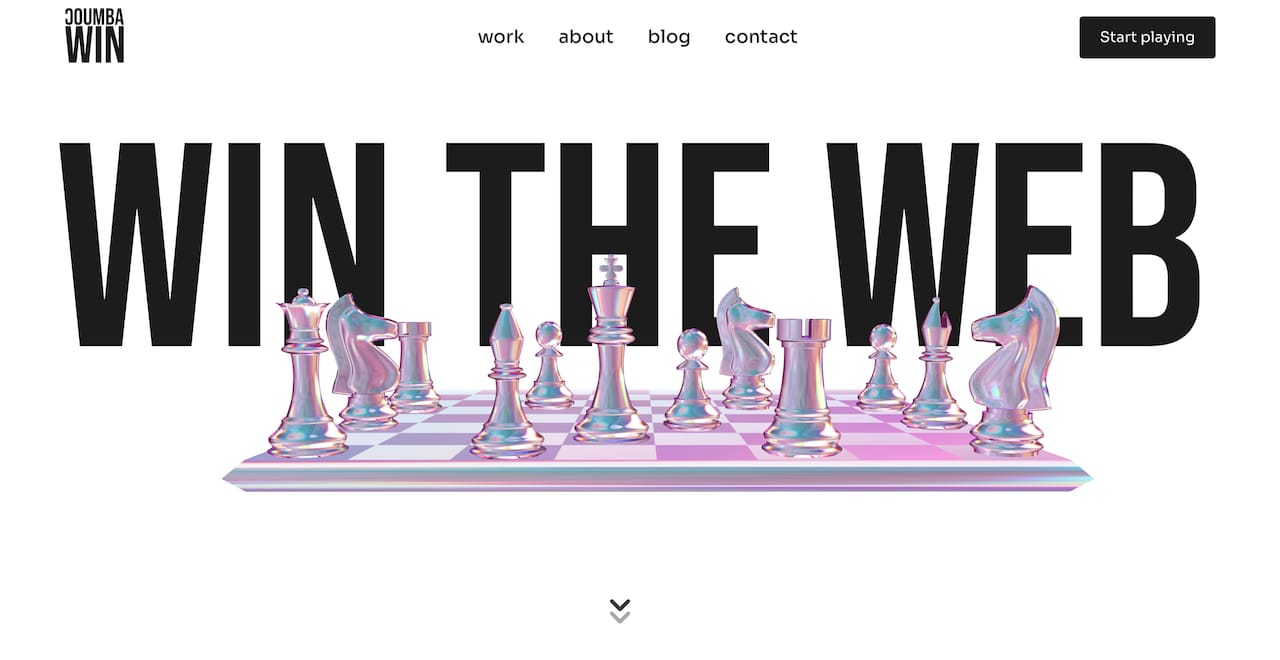
Coumba Win Design works directly with startup founders to build brand identities that are lean at launch and built to scale. From style guides that document your full visual system to the Demo Day Kit that gets you pitch-ready in 14 days, the work is built around your growth stage, not a generic agency template. Coumba Win Design’s collaborative approach means you are not handed a deliverable and left to figure it out. You get a design partner who understands that brand is a competitive advantage, not a line item. If you are ready to build something that actually looks and sounds like you, start here.
FAQ
What is a Minimum Viable Brand for a startup?
A Minimum Viable Brand is a lean brand scaffold that includes a name, simple logo, limited color palette, typography, and verbal voice. It gives you enough identity to launch and gather customer feedback without over-investing before product-market fit.
How long does it take to build a startup brand identity?
An MVB can be built in two to four weeks with focused effort. A full brand system with guidelines, visual components, and verbal identity typically takes six to twelve weeks depending on scope and collaboration speed.
When should a startup rebrand?
Rebrand only when your current identity actively undermines your credibility or audience connection. Tying a rebrand to a meaningful milestone, like a pivot, new market entry, or funding round, produces better results than reacting to trends.
What are the core elements of a startup brand identity?
The core elements are a name, logo, color palette, typography, verbal voice, and a positioning statement. These six elements form the foundation that every other brand decision builds on.
How do you create a distinctive startup brand on a tight budget?
Focus on verbal voice first. Clear, honest, specific copy is free to write and immediately differentiates you from competitors using generic language. Pair that with a simple geometric logo and a two-color palette, and you have a brand that punches above its weight.
Recommended